11Tiger delete account walkthrough
How to request account closure on the 11Tiger brand, what happens to KYC records, and the verification trail each platform keeps.
A delete-account page written for the reader rather than the platform. The desk walks through the request, the verification window and the records that survive closure, so the request is a deliberate choice rather than an impulsive one.

Step 1 — Submit the request
Most fantasy-cricket platforms, the 11Tiger brand included, route account-closure requests through the support inbox and the in-app “Delete Account” toggle. The desk recommends doing both: the in-app toggle produces an audit-trail entry with timestamps, and the support email confirms the human-review window.
Requests made while a withdrawal is pending can take longer. Requests made while an active contest is in play are usually paused until the contest settles. Either of those pause cases is fine — the desk flags them so the reader can plan around them.

Step 2 — Verify ownership
Ownership verification is the platform’s protection against a bad-actor closure request. Typical asks: a one-time password to the email on file, a one-time password to the phone on file, and a copy of an identity document matching the KYC name. The desk treats each ask as a normal part of the closure process rather than as friction.
Where the reader does not have access to the email or phone on file, the platform usually escalates to a manual review with KYC matching. The reader can speed that up by attaching the same document the original KYC used, in clear daylight, with both edges of the document visible.
Step 3 — Closure timeline

Step 4 — Records that survive closure
KYC records do not disappear with the account. Anti-money-laundering rules require the platform to retain identity documents, deposit history and withdrawal records for a statutorily defined period — in India, that period is typically five years from the last transaction.
The retained records are not the same as the active account. The reader cannot log in, cannot place a team and cannot be re-marketed to. The retained records are queryable by the regulator, the platform’s auditor and the platform’s compliance team.
Two questions before you confirm
⏸ Active contests
If a paid contest is in play, settlement runs before closure. Withdrawals settle to the most recent method on file.
💸 Pending withdrawals
Withdrawals usually clear before the account is fully closed. A paused closure is normal during the settlement window.
🗂 KYC retention
KYC records are retained per AML rules. The active account closes; the records are queryable by compliance teams.
🪪 Re-registration
Most platforms allow re-registration with the same identity after a brief wait. The reader’s data is preserved on file rather than re-KYC’d every time.
Frequently asked questions
How long does closure take?
Typically 7-14 days. The first 24 hours are ownership verification; the next 3-7 days settle pending withdrawals; closure confirmation follows.
Will I lose my KYC documents?
No. KYC documents are retained per anti-money-laundering rules. The active account closes, but the documents remain queryable by compliance teams.
Can I reactivate my account later?
Most platforms allow re-registration with the same identity after a brief wait. Re-registration typically re-uses the prior KYC record rather than re-KYC’ing from scratch.
What about pending withdrawals?
Pending withdrawals clear before the account is fully closed. A paused closure during the settlement window is normal.
Where do I file a complaint if closure is rejected?
Escalate through the platform’s own support escalation. If unresolved, the consumer may approach the appropriate consumer-dispute forum named on the platform’s terms page.
Continue reading

Reading checklist
A working checklist for the reader who lands on this page to close an account. The closure request goes through the in-app toggle and the support email; the checklist is a quick way to confirm the request is in the right state before the cool-off window starts.
Three questions to ask before closing. Is there an active contest in play? Is there a pending withdrawal? Is the KYC document set on file still readable? Where any of those is “yes”, the closure is paused until the situation settles.
What the desk does well. The closure timeline is published in days-from-request terms. The records-that-survive section names the regulatory reason rather than offering a soft assurance. The re-registration note explains why re-entry is possible but never automatic.
What the desk is still working on. A public table of the actual closure time on the partner brand’s reviewed cases. A reader-submitted evidence trail for closure escalations.
A reading cadence the desk recommends. Read the request step once before filing the closure. Re-read the closure timeline before re-confirming the closure during the cool-off window.
Desk note: re-registration vs fresh sign-up
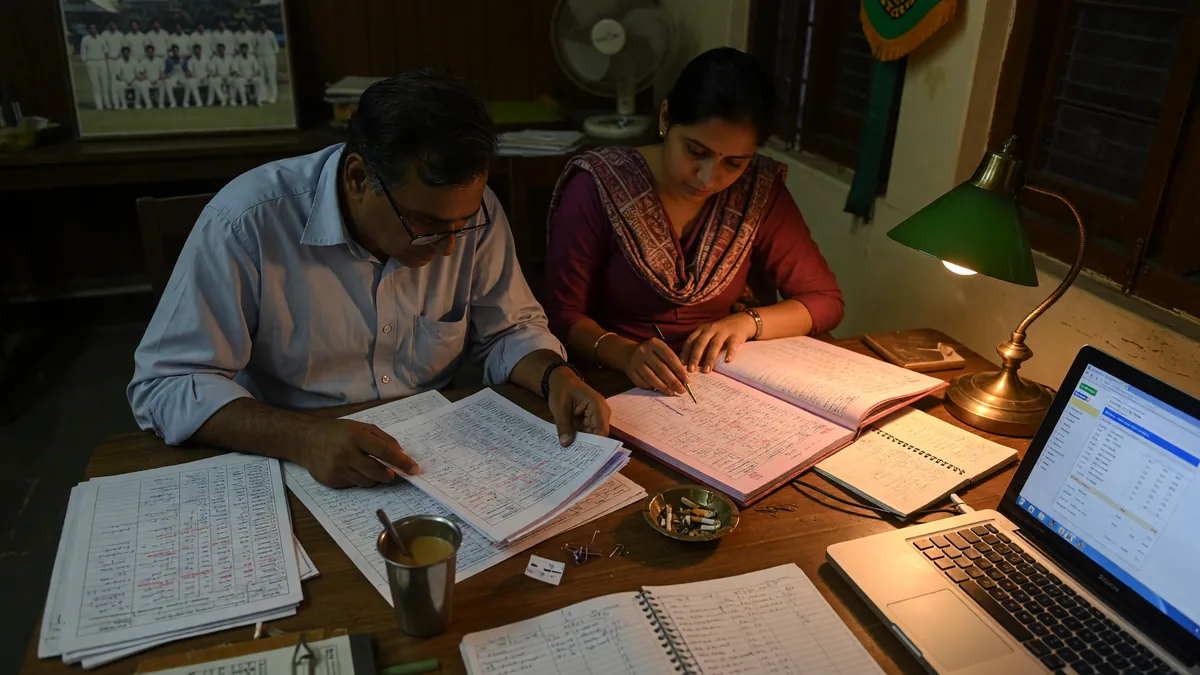
A reader who closes an account and re-registers on the partner brand typically re-uses the prior KYC record. The re-use is faster than a fresh KYC because the platform’s documentation step does not need to repeat. The platform’s right to re-use the KYC is usually stated in the terms of use rather than the closure-confirmation email.
Where a reader closes an account with the intent of re-registering under a different identity — for example, after a jurisdictional move — the closure confirmation should mention that the platform’s terms govern the re-registration process. The desk publishes the partner’s own terms rather than republishing them; the reader’s own due diligence on the re-registration terms remains the reader’s responsibility.
Where a reader closes an account to walk away permanently, the closure confirmation is the last touchpoint with the platform’s communication channel. The platform’s confirmation email usually links to a re-activation flow; the desk recommends not clicking that link and not bookmarking it. Re-entry is an active choice, not a default.
Where a reader closes an account as part of an escalation — for example, after a contested bonus or a withdrawal dispute — the closure does not resolve the underlying dispute. The dispute continues on the platform’s own dispute-resolution channel. Closure changes the account state but does not retire the platform’s responsibility for the dispute.
Limits of the closure process
The closure process does not delete the KYC record. KYC documents are retained per anti-money-laundering rules; the active account closes, but the documents remain queryable by compliance teams. The retention period is statutorily defined and the desk links to the primary source rather than republishing the period.
The closure process does not resolve disputes. A reader who closes an account while a refund or a withdrawal is in dispute continues the dispute on the platform’s own dispute-resolution channel. Closure changes the account state but does not retire the platform’s responsibility for the dispute.
The closure process does not retire the marketing trail. The platform may keep the email address on a marketing-newsletter list; the reader’s strongest move is to set the marketing preference to “off” on the closure confirmation page and to unsubscribe at the next marketing email. The desk does not act as the reader’s marketing proxy.

Caveats on the closure process
Three caveats the desk publishes on the closure page. The KYC record is not deletable by the reader; the documents remain queryable by compliance teams for the statutorily defined retention period.
The second caveat: a closure request during a pending withdrawal or an active contest is paused until the situation settles. The pause is normal; the reader’s strongest move is to plan the closure request around known contest windows and pending-withdrawal windows.
The third caveat: closure does not retire the platform’s responsibility for an unresolved refund or withdrawal dispute. The dispute continues on the partner’s own dispute-resolution channel; the desk redirects rather than handling disputes.
A reader who has found a partner-brand-controlled behaviour the desk has not named is welcome to send the corrections email; the next closure-page refresh reflects the new caveat under the limits-and-exclusions section.

Closing note from the desk
The delete-account desk closes its read with a note on the closure timeline. Closure is typically 7-14 days from the date of the request. The first 24 hours are ownership verification, the next 3-7 days settle pending withdrawals, and closure confirmation follows.
The records that survive closure are the KYC documents, retained per anti-money-laundering rules. The active account closes; the documents remain queryable by compliance teams for the statutorily defined retention period. The reader cannot log in, deposit, withdraw to a card or UPI, or be re-marketed to during the exclusion.
The two questions before confirming closure are active contests in play and pending withdrawals. A reader who closes an account during an active contest pauses until the contest settles; a reader who closes during a pending withdrawal usually sees the withdrawal clear to bank or UPI first.
The re-registration note explains why re-entry is possible but never automatic. Most platforms allow re-registration with the same identity after a brief wait; the platform’s terms govern the re-registration process.
The desk’s coverage area is published on the about page. A reader who wants a different area of coverage is welcome to send a corrections email with a proposed coverage-area addition.