11Tiger legal and jurisdiction note
State-by-state rules, age rules and the legal context that surrounds the 11Tiger brand. Editorial, not legal advice — the desk publishes what is verifiable from public notices and links readers to authoritative sources.
A legal context page written for the reader rather than a brand. The desk publishes what is verifiable from public notices and links to authoritative sources for any decision that affects the reader personally.

State-by-state rules
Fantasy-cricket contests sit in different legal categories in different Indian states. Some states allow paid fantasy contests, some allow only free contests, some prohibit contests outright. The desk reads the rules state by state and surfaces the differences under each fixture page rather than as a single global note.
The desk maintains a state-by-state read on this page and re-publishes it whenever the relevant state publishes a new notice. Where a state’s rule has shifted recently, the news desk announces the update with the primary source linked.
Age rules
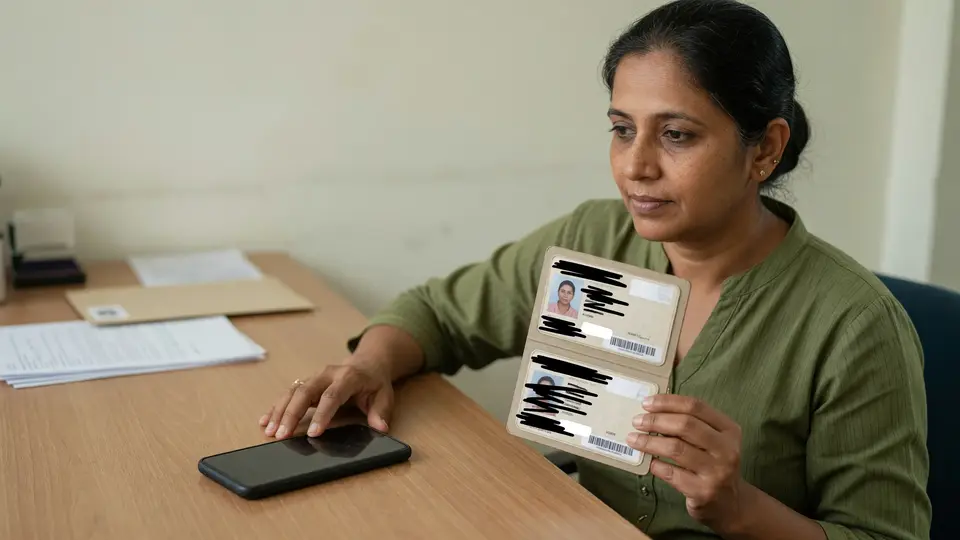
Every fantasy-cricket platform the desk tracks enforces an 18+ rule on paid contests. The desk treats the 18+ rule as a hard floor, and flags any platform that does not enforce it visibly on the sign-up flow.
Free contests may carry a lower age floor where state rules allow. The desk publishes the stated age floor for each offer under the bonus page and on the offer-ticket, so the reader does not have to dig through the partner brand’s terms to confirm.

Risk disclosure
Fantasy cricket involves financial risk. Outcomes remain variable by definition, and the desk does not publish return forecasts for that reason. The desk publishes methodology, evidence and verification checks; the forecast belongs to the reader.
The responsible-play page carries the discipline checklists that the desk recommends every reader set before placing a paid entry: a daily deposit limit below the entertainment budget, a weekly loss limit that triggers a forced pause, and a session limit at one match-card deadline at a time.
Authoritative sources
State gazette or public notice
For state-level rules, the desk links to the official state gazette or the state public notice where one is published.
Federal notices
For federal rules, the desk links to the relevant MeitY and ministry publications.
Platform terms
For platform terms, the desk links to the partner brand’s own published terms rather than to a re-published snippet.
Independent verification
Where a third-party has verified a claim from the partner brand, the desk links to that verification rather than to the partner’s claim alone.
Public editor line
Where the desk has published a correction, the desk links to the public editor line so the trail stays auditable.
What this page is not
🚫 Legal advice
The desk publishes editorial readings. Legal advice is a licensed-professional service; the desk does not publish it and the reader’s own counsel remains the reader’s responsibility.
🚫 Refund or dispute resolution
Refund and dispute resolution belongs to the platform’s own support channel and to the consumer-dispute forum named on the terms page.
🚫 Tax advice
Tax treatment of contest winnings varies by jurisdiction. The desk links to authoritative sources and does not publish tax advice.
🚫 Brand-as-source
A partner brand’s own published terms govern the partner’s product offering. The desk links to those terms rather than republishing them.
Frequently asked questions
Are fantasy-cricket contests legal everywhere in India?
No. Some states allow paid contests, some allow only free contests, some prohibit fantasy contests outright. The desk publishes the state-by-state read on this page and under each fixture card.
Is this page legal advice?
No. The desk publishes what is verifiable from public notices and links readers to authoritative sources. Legal advice is a licensed-professional service.
Where do I read state-by-state rules?
On this page. The desk re-publishes the state-by-state read whenever the relevant state publishes a new notice.
Does the desk publish a refund or dispute route?
Refund and dispute resolution routes are linked from the platform’s own terms page. The desk redirects rather than handling those routes.
What about the 18+ rule?
Every platform the desk tracks enforces 18+ on paid contests. Free contests may carry a lower floor where state rules allow.
Continue reading

Reading checklist
A working checklist for the reader who lands on this page to read the legal context before placing a paid entry. The desk publishes a state-by-state read; the checklist is a quick way to confirm the jurisdiction question matches the desk’s published read.
Three questions to ask before placing a paid entry. Does the reader’s jurisdiction allow paid contests, free contests, or neither? Is the platform’s licence number visible on the desk’s legal page? Is the desk’s state-by-state read current within the last week?
What the desk does well. The state-by-state read is published in plain language. The age rules are stated as a hard floor on paid contests. The risk-disclosure section explains why the desk does not publish return forecasts.
What the desk is still working on. A diff view on the state-by-state read whenever a state publishes a new notice. A public table of the desk’s measured age-floor enforcement on the partner brand’s sign-up flow.
A reading cadence the desk recommends. Read the state-by-state read once on a quiet afternoon. Re-read whenever the desk announces a state-level update on the news desk.
Desk note: the desk’s legal reading discipline
The desk publishes a legal reading rather than legal advice. The line is published on the legal page and the terms page. The desk does not cross the line; legal advice is a licensed-professional service and the desk does not publish it.
A reader who lands on the legal page to read the desk’s state-by-state read should re-read the read on the day of any paid entry. The state-by-state read is updated whenever the relevant state publishes a new notice. A reader who places a paid entry against an out-of-date read is acting on their own judgement; the deck’s read is the most current published statement at the time the reader reads it.
The desk’s legal material links to authoritative sources rather than republishing them. State gazette, federal ministry publication, partner-brand-controlled terms page. Each link is the primary source; the desk’s summary is editorial. A reader who wants the authoritative statement reads the primary source rather than the editorial summary.
Where the desk’s read and the authoritative source diverge, the authoritative source prevails. The desk corrects its read on the corrections cadence (48 hours) and the change is announced on the news desk.

Limits of the legal material
The legal material on this page is the desk’s editorial reading, not legal advice. The line is published on the legal page and the terms page. The desk does not cross the line; legal advice is a licensed-professional service.
The legal material is jurisdiction-aware. A reader who lands on the page to read the desk’s state-by-state read should match the read against their own jurisdiction before placing a paid entry. The desk’s read is the most current published statement at the time the reader reads it.
The legal material links to authoritative sources. State gazette, federal ministry publication, partner-brand-controlled terms page. Where the desk’s read and the authoritative source diverge, the authoritative source prevails; the deck corrects its read on the corrections cadence.

Caveats on the legal material
Three caveats the desk publishes on the legal page. The legal material is the desk’s editorial reading, not legal advice; the line is published on the legal page and the terms page.
The second caveat: a jurisdiction-specific update does not change the universal terms; the state-by-state read is the authoritative statement of the desk’s jurisdiction scope.
The third caveat: a material change to the desk’s legal material is announced on the news desk with an effective date. A reader’s continued use of the desk’s pages after the effective date is treated as acceptance of the updated material.
A reader who has found a state-level publication the desk has not named is welcome to send the corrections email; the next legal-page refresh reflects the new caveat under the state-by-state read.

Closing note from the desk
The legal desk closes its read with a note on the jurisdiction variation. Some states allow paid fantasy contests, some allow only free contests, some prohibit contests outright. The desk publishes a state-by-state read on this page and re-publishes it whenever the relevant state publishes a new notice.
The age rule the desk tracks is a hard floor of 18+ on paid contests. Free contests may carry a lower floor where state rules allow. The desk treats the 18+ rule as a hard floor and flags any platform that does not enforce it visibly on the sign-up flow.
The risk-disclosure section on this page explains why the desk does not publish return forecasts. Fantasy cricket involves financial risk; outcomes remain variable by definition. The deck publishes methodology, evidence and verification checks; the forecast belongs to the reader.
The authoritative sources the desk links to are the state gazette, the federal ministry publication and the partner brand’s own published terms. The desk’s summary is editorial; the primary source is authoritative.
The desk’s coverage area is published on the about page. A reader who wants a different area of coverage is welcome to send a corrections email with a proposed coverage-area addition.