11Tiger wallet & KYC guide
Deposit, KYC, withdrawal: the steps most platforms expect, the order they expect them, and the verification trail.
A wallet-and-KYC guide built for the reader rather than the platform. The desk walks through the four-step process most platforms expect, names the documents and the verification trail, and surfaces the questions to ask the support channel before submitting any document.

Step 1 — Account ready
A reader is wallet-ready when four things are in place: a verified email address, a verified phone number, two-factor authentication on the account, and a payment method that matches the KYC name. Each of those is a small step taken once, and each keeps the later steps faster.
Where a reader uses a family member’s card or a joint-account UPI handle, the KYC name will not match the funding source. The platform will reject the deposit at KYC review. The desk recommends using a personal funding source from day one.
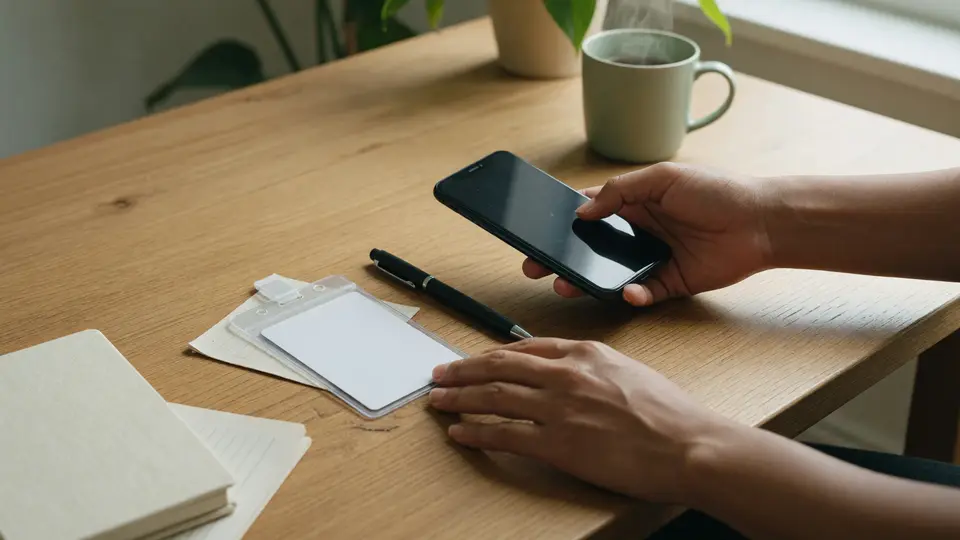
Step 2 — KYC documents
Most platforms expect three KYC documents: a PAN card, an address proof and a clear photograph of the holder in daylight. PAN is mandatory for paid fantasy-cricket contests in India; address proof confirms the address on file; the photograph binds the document to the holder.
The desk recommends photographing documents in clear daylight, with all four edges of the document visible, and with no glare on the photo strip or the holographic overlay. A photograph of a photograph is rejected automatically at most platforms; a clear digital photo with edges visible is the working default.
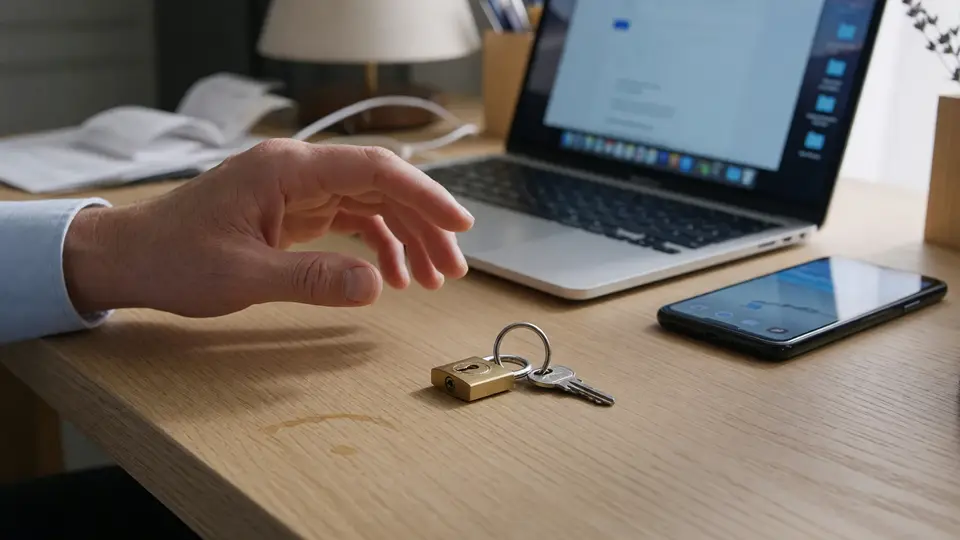
Step 3 — Source review
Source review is the platform’s anti-money-laundering step. The platform checks that the funding source — UPI handle, bank account, card — is in a name that matches the PAN on the KYC file. The check is automated where the platforms can automate it and manual where they cannot.
The check is unavoidable. A funding source in a family member’s name will be flagged. A funding source in a third-party name will be flagged. The desk’s recommendation is to use a single personal funding source from day one and to expect the platform to query any source change for 24-72 hours.
Step 4 — Withdrawal
Three checkpoints that trip the desk’s process
📛 Name mismatch
A funding source in a different name than the KYC PAN. Resolved by switching to a personal funding source or by adding the joint-holder as a co-applicant.
📷 Document glare
A document with glare on the photo strip or the holographic overlay. Resolved by re-photographing in clear daylight with edges visible.
🔁 Source change
A funding source different from the one that funded the deposit. Resolved by waiting 24-72 hours and using the original source.
🚫 Stale address proof
An address proof older than three months. Resolved by submitting a fresher proof, such as a recent utility bill or bank statement.
Frequently asked questions
What documents are required?
PAN, address proof and a clear photograph in daylight. The PAN is mandatory for paid fantasy-cricket contests in India.
Why is my withdrawal pending?
Pending withdrawals usually mean a KYC or source-match check is still in review. UPI withdrawals settle within minutes for matched sources; bank transfers settle in 1-3 days.
Can I use a family member’s card?
A card or UPI handle in a different name than the KYC PAN will be flagged at source review. The desk recommends a personal funding source from day one.
How long is KYC valid?
KYC records are typically retained per anti-money-laundering rules. The active account—the reader’s ability to log in—remains valid through any settled KYC.
Where do I escalate a KYC issue?
Escalate through the platform’s support channel with the KYC reference number. If unresolved, the consumer may approach the appropriate consumer-dispute forum named on the platform’s terms page.
Continue reading

Reading checklist
A working checklist for the reader who lands on this page to complete a KYC step. The wallet flow is the part of the platform fantasy apps explain least; the checklist is a quick way to confirm the documents are in the right state before submission.
Three questions to ask before submitting. Is the funding source in the same name as the PAN? Are the document edges visible in the photograph, with no glare? Is the photo recent and in daylight?
What the desk does well. The four-step process is published in plain language. The four common blockers are named with the fix the desk recommends. The settlement windows are published per funding source so the reader knows what to expect.
What the desk is still working on. A reader-side worksheet for the document-photo conditions. A public table of the actual KYC times the desk has measured across the partner brand’s reviewed cases.
A reading cadence the desk recommends. Read the wallet flow once before completing sign-up. Re-read the blocker list whenever a withdrawal or a deposit is rejected.

Desk note: when the wallet flow stalls
The wallet flow stalls most often at three points. KYC document glare, funding-source-name mismatch, and source change between deposit and withdrawal. The desk’s recommendations are published under each of those.
Document glare. A document photographed with glare on the photo strip or the holographic overlay is rejected automatically at most platforms. The fix is to re-photograph in clear daylight with the document on a flat, dark surface and with all four edges visible. The same recommendation applies to the address proof and the photograph.
Funding-source-name mismatch. A UPI handle or bank account in a different name than the PAN on the KYC file is rejected at source review. The fix is to switch to a personal funding source from day one rather than running a family-member card and switching later.
Source change between deposit and withdrawal. A withdrawal to a different source than the original deposit is held in the pending-review queue. The fix is to use the original source for the withdrawal or, where the original source has closed, to file a source-change request with the platform’s support team before the withdrawal is initiated.
Where the wallet flow stalls at a step the deck has not named, the reader’s strongest move is to file a support ticket through the customer-care channel with the KYC reference number, a screenshot of the error and a short time-stamped journal of what was attempted.
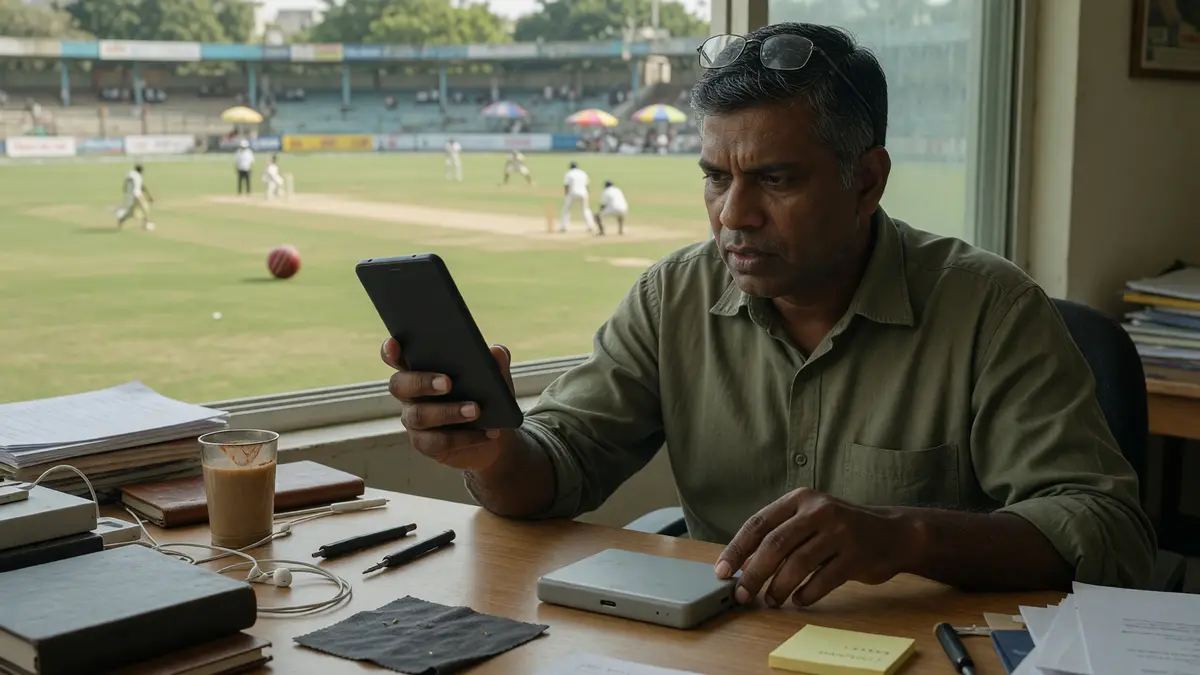
Limits of the wallet flow
The wallet flow on this page describes the desk’s working note rather than a guarantee. The KYC step’s review time varies by platform. The desk’s median across the platforms it tracks is 24-48 hours; a fresh daylight photograph with edges visible shortens the window but does not guarantee an instant pass.
The withdrawal step’s settlement time varies by funding source. UPI is fastest for matched sources; bank transfer is slower; card refund is the cleanest audit trail. The deck does not publish a settlement time the partner brand has not published.
The KYC retention step is governed by anti-money-laundering rules. A reader who closes the account does not delete the KYC record; the documents remain queryable by compliance teams for the statutorily defined retention period.
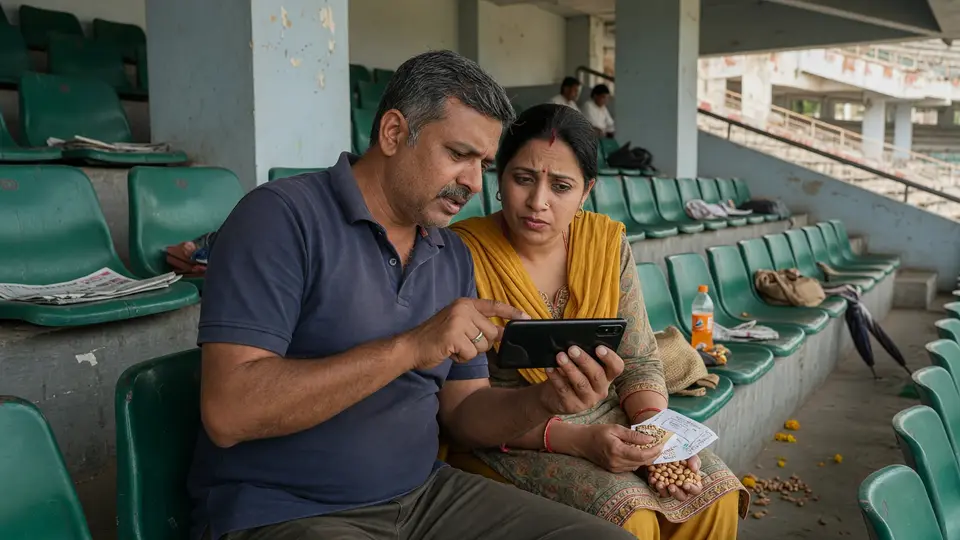
Caveats on the wallet flow
Three caveats the desk publishes on the wallet page. The KYC review time is partner-dependent; the desk publishes the desk’s median across the platforms it tracks, not a guarantee for any individual platform.
The second caveat: the wallet flow may pause at steps the desk has not named. The reader’s strongest move at an un-named pause is to file a support ticket through the customer-care channel with the partner’s reference number.
The third caveat: a withdrawal to a different source than the original deposit is held in the pending-review queue. The fix is to use the original source or to file a source-change request before the withdrawal is initiated.
A reader who has found a partner-brand-controlled wallet behaviour the desk has not named is welcome to send the corrections email; the next wallet-page refresh reflects the new caveat.
Closing note from the desk
The wallet-kyc desk closes its read with a note on the four-step process. The process is account-ready, KYC documents, source review and withdrawal. Each step has a stated entry and a stated exit.
The three documents the platform expects are PAN, address proof and a clear photograph in daylight. The deck recommends photographing documents in clear daylight with all four edges of the document visible.
The three settlement windows the desk publishes are UPI fastest, bank transfer standard and card refund slowest. The settlement windows are published per funding source so the reader knows what to expect.
The miss record on the wallet flow is published on the customer-care page. Removing the miss record on a hit week would be a standards fail; the deck retains the miss record as the instrument that holds the wallet flow accountable.
The desk’s coverage area is published on the about page. A reader who wants a different area of coverage is welcome to send a corrections email with a proposed coverage-area addition.